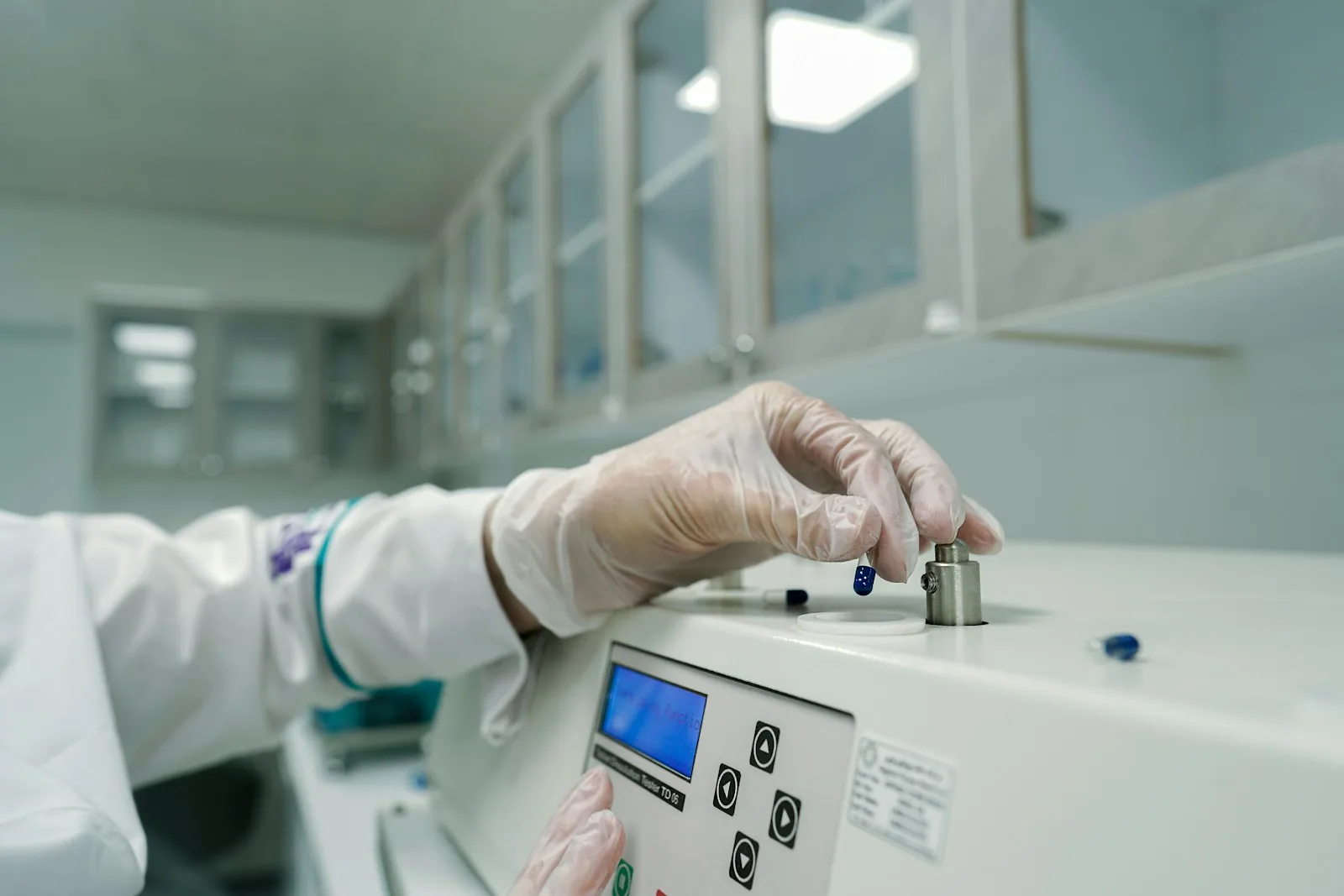
2026 is shaping up to be one of the most transformative years in chemical procurement history. Accelerating trade policy shifts, rapid technology adoption, and an industry-wide pivot toward sustainability are collectively redefining how organizations source, evaluate, and manage chemical supply relationships. This report — refreshed for Q2 2026 with current survey data and an updated action checklist — examines the seven trends defining the year and what procurement leaders should prepare for in the months ahead.
Q2 2026 Update: This report was refreshed in April 2026 with H2 domestic capacity commentary, revised digital and AI adoption discussion, and a seven-point action checklist.
The shift in one line: Domestic supplier allocation is rising across US chemical procurement, and for a growing share of buyers domestic sourcing is now the majority of spend. This is the most significant structural change in sourcing geography since the post-pandemic reshoring conversation began — and unlike that episode, it is being locked in by tariff policy rather than by temporary shortage.
Trend 1: Nearshoring Acceleration Reaches a Tipping Point
The domestic sourcing movement that built momentum through 2024 and 2025 has reached an inflection point in 2026. What began as a risk mitigation response to tariff volatility has evolved into a structural shift in procurement strategy, with organizations permanently reallocating supplier portfolios toward North American sources.
There is no reliable public dataset on how far this has gone — chemical buyers do not publish their allocation splits, and the trade bodies that could survey it have not. What is observable is the direction: domestic supplier allocation is rising, and for a growing number of buyers domestic sourcing has moved from a hedge to the majority of spend. The shift is driven by a convergence of factors that have tipped the cost-benefit analysis toward nearshoring.
Federal and State Incentive Programs
The CHIPS and Science Act, while primarily targeting semiconductor manufacturing, has created spillover demand for domestic specialty chemical production. Federal tax incentives for domestic manufacturing investment — including accelerated depreciation provisions and targeted credits for critical material production — have catalyzed approximately $4.2 billion in announced chemical manufacturing capacity expansions within the U.S. since 2024. State-level incentives are compounding the federal push. Texas, Louisiana, North Carolina, and New Jersey have each introduced or expanded chemical manufacturing incentive packages that reduce the capital cost barrier for new capacity.
Capacity Expansion Numbers
New domestic chemical manufacturing capacity coming online in 2026 spans multiple categories. Fine and specialty chemical production capacity is expanding by an estimated 12% to 15% across the U.S., with particular growth in pharmaceutical intermediates, electronic chemicals, and agrochemical intermediates. Contract manufacturing organizations (CMOs) are investing heavily in multi-purpose reactor capacity — the flexible, jacketed reactor systems that can produce diverse specialty chemicals on a campaign basis. At least nine CMOs have announced capacity expansion projects totaling more than $350 million in capital investment since mid-2024.
Actionable Recommendation
Procurement teams should conduct a formal supplier portfolio review, identifying categories where domestic alternatives exist but have not been qualified. Prioritize qualification of 2 to 3 domestic alternatives for your highest-volume internationally sourced materials. The qualification process typically requires 6 to 12 months, so starting now positions you to capture value before capacity fills. For a full framework covering inventory tiering, risk scoring, and supplier diversification methodology, see our guide to building a resilient chemical supply chain.
Trend 2: Digital Procurement Platform Adoption Moves Beyond Early Adopters
Digital procurement platforms for chemical sourcing have crossed the chasm from early adopter experimentation to mainstream enterprise deployment. In 2026, these platforms are no longer optional technology investments — they are table-stakes infrastructure for competitive procurement operations.
Adoption Metrics
Digital procurement platform adoption has passed the halfway mark among chemical-purchasing organizations, roughly doubling over the past two years. More significantly, most organizations that adopt a platform reported measurable efficiency gains within the first year, with average purchase order cycle time reductions of 35% to 45% and invoice processing cost reductions of 50% to 65%.
Platform Capabilities in 2026
Current-generation digital procurement platforms for chemicals offer capabilities that would have been aspirational just three years ago. Real-time inventory visibility across supplier networks enables just-in-time ordering that reduces safety stock by 20% to 30%. Automated compliance verification cross-references supplier documentation against TSCA, GHS, OSHA, and state-level requirements, flagging gaps before material ships. Predictive demand modeling uses historical consumption data, production schedules, and market signals to generate optimized order recommendations. Integrated supplier scorecards aggregate delivery performance, quality metrics, pricing trends, and responsiveness data into composite ratings that inform sourcing decisions.
Integration Challenges
Despite the benefits, platform adoption faces real integration challenges. Legacy ERP systems — particularly older SAP and Oracle installations — require custom APIs for data exchange with procurement platforms. Chemical-specific data requirements (CAS numbers, hazard classifications, regulatory status) are not well-supported by general-purpose procurement platforms designed for indirect materials. And data quality from suppliers remains inconsistent, particularly for smaller or international sources.
Actionable Recommendation
Evaluate whether your current procurement technology stack is purpose-built for chemical sourcing or adapted from general procurement tools. If the latter, audit the gaps in chemical-specific functionality — compliance verification, hazard data management, regulatory tracking — and assess whether a specialized chemical procurement platform would reduce risk and administrative burden.
Trend 3: Sustainability Becomes a Hard Selection Criterion
In 2026, sustainability has completed its transition from a “nice-to-have” differentiator to a weighted criterion in supplier evaluation scorecards. This shift is being driven by regulatory requirements, investor pressure, and customer demand — a triple convergence that has made sustainability performance a material factor in procurement decisions.
ESG Framework Requirements
Multiple ESG disclosure frameworks now require or encourage supply chain sustainability data that directly implicates chemical procurement. The Global Reporting Initiative (GRI) Standards require disclosure of materials used by weight or volume (GRI 301-1) and energy consumption within the supply chain (GRI 302-2). The Sustainability Accounting Standards Board (SASB) standards for pharmaceuticals and chemicals specifically address hazardous waste generation, process safety incidents, and Scope 3 emissions. The Carbon Disclosure Project (CDP) supply chain program, with over 280 member companies requesting supplier disclosures, now reaches deep into chemical supply chains.
For procurement teams, these frameworks translate into concrete data requirements from suppliers. Organizations are increasingly including sustainability questionnaires in RFPs and qualifying suppliers partially on their ability to provide emissions data per unit of product, waste generation metrics (E-factor, PMI), solvent recovery and recycling rates, energy source mix (renewable vs. fossil), and water consumption and discharge quality data.
Scoring and Weighting
Leading procurement organizations are assigning sustainability criteria 10% to 20% weighting in their supplier evaluation scorecards — sufficient to swing sourcing decisions between otherwise comparable suppliers. Some pharmaceutical companies have gone further, establishing minimum sustainability thresholds that suppliers must meet to be eligible for consideration regardless of price.
Actionable Recommendation
If sustainability is not yet a weighted criterion in your supplier evaluation process, 2026 is the year to formalize it. Start by identifying which ESG frameworks your organization reports against, map the chemical procurement data requirements for each framework, and build those data requirements into your supplier qualification questionnaires. This positions you to respond to investor and regulatory inquiries with supply-chain-specific sustainability data.
Trend 4: Regulatory Complexity Demands Specialized Expertise
The regulatory environment governing chemical procurement in 2026 is more complex, more fragmented, and more consequential than at any point in the past decade. Managing this complexity has become a core procurement competency — not a peripheral compliance function.
Federal Regulatory Expansion
TSCA enforcement under the EPA has intensified significantly. The number of Significant New Use Rules (SNURs) issued has increased by approximately 40% since 2023, expanding the universe of substances subject to pre-use notification requirements. Risk evaluations under TSCA Section 6 continue to produce new restrictions on widely used chemicals — including several common solvents and flame retardants — that directly affect procurement decisions. The EPA’s final risk management rules for five of the first ten chemicals evaluated under amended TSCA are creating compliance obligations that procurement teams must track and respond to.
State-Level Regulatory Patchwork
State chemical regulations are creating a compliance patchwork that complicates multi-state procurement operations. California’s Proposition 65 and Safer Consumer Products program, Washington’s Children’s Safe Products Act, Maine’s PFAS products law, and Minnesota’s Toxic Free Kids Act each impose different requirements — different chemical lists, different reporting thresholds, different notification deadlines. For organizations operating across multiple states, tracking and complying with this patchwork requires dedicated regulatory intelligence that was unnecessary five years ago.
International Regulatory Divergence
The gap between U.S. (TSCA), European (REACH), and Asian (K-REACH in South Korea, CSCL in Japan, MEP Order 12 in China) chemical management frameworks continues to widen. Substances registered under one framework are not automatically compliant under another. This divergence creates particular challenges for organizations sourcing internationally, as material compliant in the country of manufacture may not be importable into the U.S. without additional registration, testing, or notification.
Actionable Recommendation
Assess whether your procurement team has the regulatory expertise to track the full spectrum of applicable chemical regulations — federal, state, and international. If compliance management is consuming disproportionate procurement bandwidth, consider consolidating toward domestic suppliers who handle regulatory compliance as part of their service offering, or invest in regulatory intelligence platforms that automate tracking and alerting.
Trend 5: Workforce Evolution in Chemical Procurement
The skill set required for effective chemical procurement in 2026 looks fundamentally different from the profile of five years ago. Traditional procurement competencies — negotiation, vendor management, cost analysis — remain necessary but are no longer sufficient.
New Competency Requirements
Modern chemical procurement roles increasingly require data analytics skills for interpreting platform-generated insights and building predictive models, regulatory knowledge spanning TSCA, GHS, state regulations, and international frameworks, sustainability literacy for evaluating supplier ESG data and aligning procurement with corporate sustainability targets, technical chemistry knowledge for understanding specifications, evaluating supplier capabilities, and communicating with R&D stakeholders, and supply chain risk management skills for identifying, quantifying, and mitigating sourcing risks.
Talent Market Dynamics
The talent market for chemical procurement professionals with this expanded skill set is intensely competitive. Organizations report that filling senior chemical procurement roles now takes 4 to 8 months — twice the timeline of three years ago. Compensation for qualified professionals has increased 15% to 25% since 2023, reflecting the scarcity of candidates who combine procurement experience with chemical industry knowledge and digital fluency.
Technology as a Force Multiplier
Rather than replacing procurement professionals, digital platforms are amplifying the capabilities of existing teams. Automated routine tasks — PO generation, invoice matching, compliance document verification — free procurement staff to focus on strategic activities: supplier relationship development, risk assessment, sustainability program management, and cross-functional collaboration with R&D and quality teams.
Actionable Recommendation
Invest in upskilling existing procurement team members in regulatory compliance, data analytics, and sustainability metrics. Cross-training programs that pair procurement professionals with regulatory and R&D colleagues build the multidisciplinary knowledge that modern chemical procurement demands. Retention of experienced staff is more cost-effective than competing in the current talent market for external hires.
Trend 6: M&A Activity Reshapes the Supplier Landscape
Mergers and acquisitions among chemical suppliers and contract manufacturers are accelerating in 2026, reshaping the competitive landscape and creating both opportunities and risks for procurement teams.
Deal Activity and Drivers
Private equity investment in specialty chemical companies has surged, with an estimated 35 to 45 chemical M&A transactions completed in the U.S. market since mid-2024. The drivers are structural: fragmented markets with consolidation opportunities, recurring revenue models in contract manufacturing, and strong demand growth in pharmaceutical and electronic chemical segments. PE firms are particularly active in acquiring mid-sized contract manufacturers with multi-purpose reactor capacity, viewing these assets as platform investments for bolt-on acquisitions.
Implications for Buyers
Supplier consolidation has direct implications for chemical procurement. On the positive side, consolidated suppliers may offer broader product portfolios, greater technical capabilities, and more robust financial stability. On the negative side, consolidation reduces competition, potentially increasing pricing power for remaining suppliers, can disrupt established relationships when integration activities divert management attention, and may change supplier culture and responsiveness as private equity owners push for margin optimization.
The most significant risk is concentration. If M&A activity reduces the number of qualified suppliers for a given chemical category from five to two, procurement teams lose negotiating leverage and increase single-source dependency risk.
Actionable Recommendation
Map your supplier portfolio against known M&A activity. Identify categories where consolidation has reduced your number of qualified suppliers below three, and proactively qualify additional alternatives. Lock in multi-year supply agreements with favorable terms where possible, particularly with mid-sized suppliers that may be acquisition targets — these agreements typically survive ownership changes and provide price stability through the transition.
Trend 7: AI and Automation Move from Pilots to Production
Artificial intelligence and automation in chemical procurement have transitioned from experimental pilot programs to production deployments that deliver measurable value. The applications span the full procurement lifecycle.
Current AI Applications
Demand forecasting models trained on historical consumption data, production schedules, and external signals (raw material pricing, macroeconomic indicators) are achieving forecast accuracy improvements of 15% to 25% over traditional methods. These improvements translate directly into reduced safety stock requirements and fewer stockout events. Automated supplier discovery tools scan global databases to identify potential sources for specific chemical compounds, evaluate their capabilities against buyer requirements, and generate shortlists for qualification. What previously required weeks of manual research by a procurement specialist is completed in hours. Natural language processing applied to supplier documents — CoAs, SDSs, specification sheets — automates compliance verification and flags discrepancies that would previously require manual review. Organizations deploying document automation report 60% to 75% reductions in document processing time.
Adoption Rates
Roughly a quarter to a third of chemical procurement organizations have deployed at least one AI-powered tool in their workflow as of early 2026 — a rate that has roughly doubled in two years, from a small base. Adoption is highest among large pharmaceutical companies (45% deployment rate) and lowest among small and mid-sized buyers (15% deployment rate). The gap reflects both technology investment capacity and the availability of the historical data that AI models require for training.
Barriers to Adoption
Despite the demonstrated value, AI adoption in chemical procurement faces barriers. Data quality and availability remain the primary obstacles — procurement systems that were not designed for data capture produce incomplete training datasets. Integration with existing ERP and procurement platforms requires custom development. And organizational resistance — procurement professionals wary of algorithmic decision-making — slows deployment timelines.
Actionable Recommendation
Start with high-value, well-defined AI applications where data is readily available. Demand forecasting and document automation are the most accessible entry points — learn more about how AI is transforming chemical procurement — with established vendor solutions and reasonable implementation timelines of 3 to 6 months. Build organizational comfort with AI-assisted (not AI-replaced) decision-making before expanding to more complex applications like automated supplier qualification or dynamic pricing optimization.
Predictions for the Remainder of 2026
Based on the trajectory of these trends, several developments are likely in the second half of 2026.
Domestic chemical manufacturing capacity will continue to expand, but capacity utilization rates will tighten as demand shifts from international to domestic sources. Lead times from domestic suppliers may lengthen from the current 1 to 4 weeks to 2 to 6 weeks for popular chemical categories as capacity fills. Early qualification of domestic alternatives becomes more urgent.
Digital procurement platform consolidation will accelerate, with 2 to 3 platform acquisitions expected as larger technology companies seek to establish dominant positions in the chemical procurement technology space. Organizations selecting platforms should evaluate vendor financial stability and product roadmap sustainability.
Sustainability reporting requirements will intensify with the SEC’s climate disclosure rule and EU CSRD implementation timeline driving demand for supply-chain-level emissions data. Chemical procurement teams without established sustainability data collection processes will face increasing pressure from corporate sustainability offices.
Regulatory enforcement will tighten further, with EPA expected to finalize risk management rules for additional TSCA-evaluated chemicals and states continuing to add new substances to restricted lists. Procurement teams should budget for increased compliance costs of 5% to 10% above 2025 levels.
2026 Chemical Procurement Trends: Free Action Checklist
Use this checklist to audit your organization’s readiness against each trend. Print, bookmark, or share with your procurement leadership team.
Trend 1 — Nearshoring
- Completed a supplier portfolio review identifying categories with no qualified domestic alternative
- Initiated qualification of at least 2 domestic alternatives for your highest-volume internationally sourced materials
- Set a target completion date for domestic qualification (allow 6–12 months)
Trend 2 — Digital Platforms
- Audited whether your current stack is purpose-built for chemical sourcing or adapted from general procurement tools
- Identified gaps in CAS number management, hazard classification, and TSCA/GHS compliance verification
- Evaluated at least one chemical-specific procurement platform against your requirements
Trend 3 — Sustainability
- Mapped which ESG frameworks your organization reports against (GRI, SASB, CDP)
- Built sustainability data requests into your supplier qualification questionnaire
- Assigned a formal weighting (target: 10–20%) to sustainability criteria in your sourcing scorecard
Trend 4 — Regulatory Complexity
- Assessed TSCA compliance exposure for all chemicals in your active procurement portfolio
- Reviewed state-level restrictions (CA Prop 65, WA CSPA, ME PFAS law, MN Toxic Free Kids Act) for multi-state operations
- Confirmed international regulatory coverage (REACH, K-REACH, CSCL) for internationally sourced materials
Trend 5 — Workforce
- Identified skill gaps on your team in data analytics, regulatory intelligence, or sustainability metrics
- Created a cross-training plan pairing procurement with regulatory or R&D colleagues
- Reviewed compensation benchmarks (note: 15–25% compensation increases since 2023 for qualified professionals)
Trend 6 — M&A Activity
- Mapped your supplier portfolio against known consolidation activity in the past 12 months
- Identified categories where qualified supplier count has dropped below three
- Evaluated locking in multi-year supply agreements with key mid-sized suppliers before potential ownership changes
Trend 7 — AI and Automation
- Identified 1–2 high-value AI entry points (demand forecasting, document automation) where clean historical data exists
- Set a 3–6 month pilot timeline with a defined success metric
- Briefed procurement team on AI-assisted (not AI-replaced) decision-making to manage adoption resistance
For the complete supplier qualification process that supports items across all seven trend areas, see our step-by-step qualification framework — or contact our team to discuss how ChemContract can help address specific items on your checklist.
Frequently Asked Questions
What is the biggest chemical procurement trend in 2026?
Nearshoring acceleration is the defining trend. Tariff volatility, federal manufacturing incentives and repeated disruption have pushed a substantial share of US chemical buyers to increase domestic supplier allocation, and for many the domestic share of spend is now the majority. This structural shift is driven by tariff volatility, federal manufacturing incentives, and the demonstrated fragility of extended global supply chains.
How are digital procurement platforms changing chemical sourcing?
Digital platforms now offer real-time inventory visibility, automated compliance verification against TSCA and GHS requirements, predictive demand modeling, and integrated supplier scorecards. Organizations deploying these platforms report 35-45% reductions in purchase order cycle time and 50-65% reductions in invoice processing costs. A majority of chemical-purchasing organizations have now adopted at least one platform.
Will sustainability requirements affect chemical procurement decisions?
Yes, significantly. Leading organizations now assign sustainability criteria 10-20% weighting in supplier evaluation scorecards. ESG frameworks including GRI, SASB, and CDP require supply chain data on emissions, waste generation, and energy sources. Some pharmaceutical companies have established minimum sustainability thresholds that suppliers must meet to be eligible for consideration.
How is M&A activity affecting chemical procurement?
An estimated 35-45 chemical M&A transactions have been completed in the U.S. market since mid-2024, primarily driven by private equity. While consolidation can bring broader capabilities and financial stability, it also reduces competition and can increase single-source dependency risk. Procurement teams should proactively qualify alternatives in categories where consolidation has reduced qualified suppliers below three.
What skills do chemical procurement professionals need in 2026?
Beyond traditional negotiation and cost analysis, modern procurement roles require data analytics skills, regulatory knowledge spanning TSCA, GHS, and international frameworks, sustainability literacy for evaluating supplier ESG data, technical chemistry knowledge, and supply chain risk management capabilities. Filling senior roles now takes 4-8 months due to talent scarcity.
Positioning for Success in a Shifting Landscape
The convergence of nearshoring, digital transformation, sustainability requirements, regulatory complexity, workforce evolution, supplier consolidation, and AI adoption creates a procurement environment that rewards agility and penalizes inertia. Organizations that treat these as independent trends will be overwhelmed. Those that recognize them as interconnected forces reshaping the entire procurement function will find competitive advantage.
ChemContract Research is positioned at the intersection of these trends. As a U.S.-based supplier with deep technical capabilities in custom synthesis, contract R&D, and analytical services, we offer procurement teams a partner that eliminates the trade and logistics complexity of international sourcing, provides the regulatory compliance documentation that the current environment demands, delivers sustainability metrics (PMI, E-factor, solvent recovery data) that support ESG reporting, and maintains the technical expertise and flexible capacity that modern pharmaceutical supply chains require. For procurement leaders navigating the 2026 landscape, the strategic value of a qualified domestic partner has never been clearer.
Key Takeaway
The procurement leaders who thrive in 2026 will share common traits: they prioritize resilience over cost optimization, invest in digital infrastructure, and build diversified domestic supplier networks. The organizations that adapt fastest will define the next era of chemical procurement.
Stay Ahead of the Curve
Our procurement specialists help you navigate industry shifts. Get expert guidance on your sourcing strategy.